
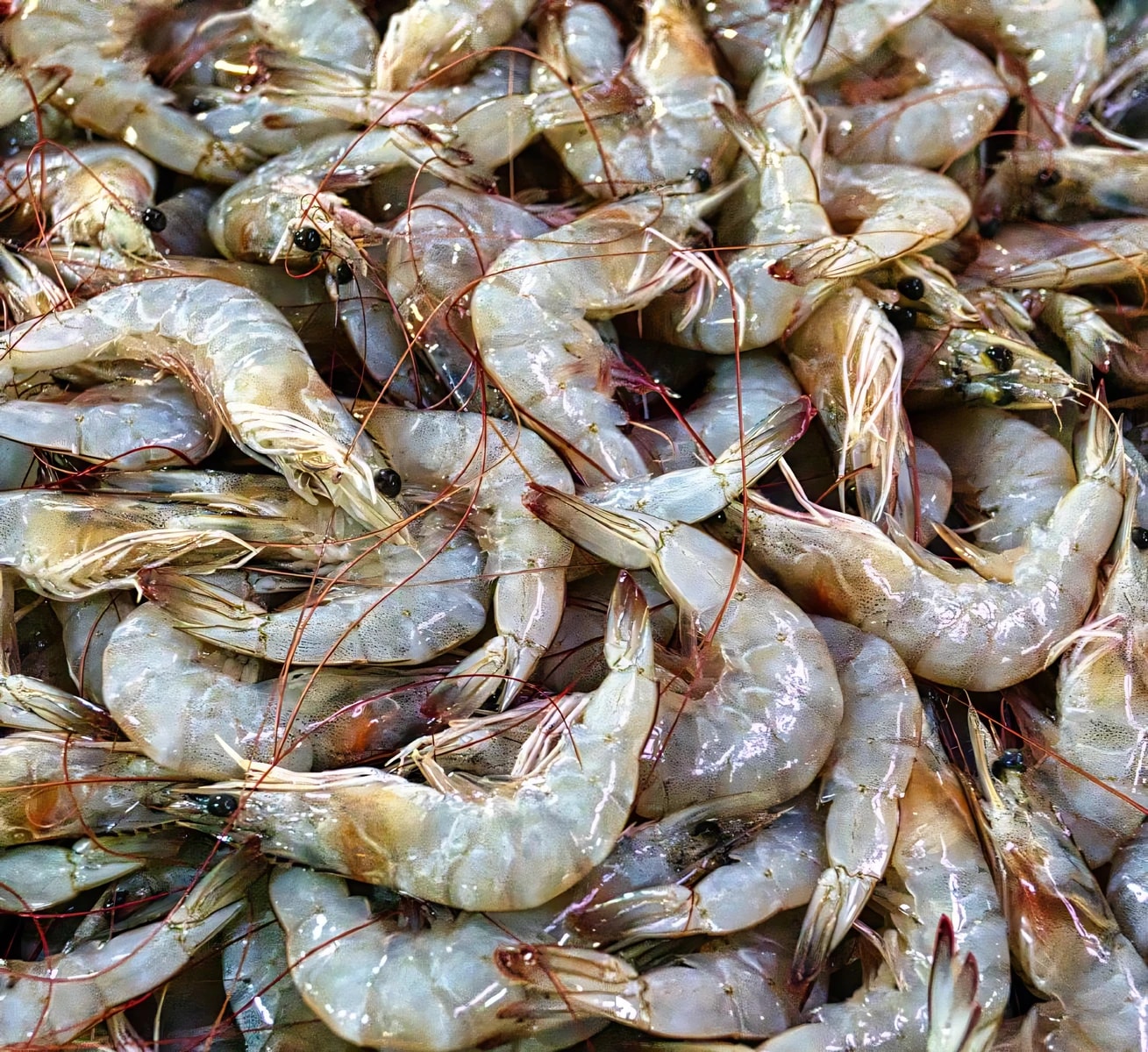
Close-up of freshly harvested shrimp
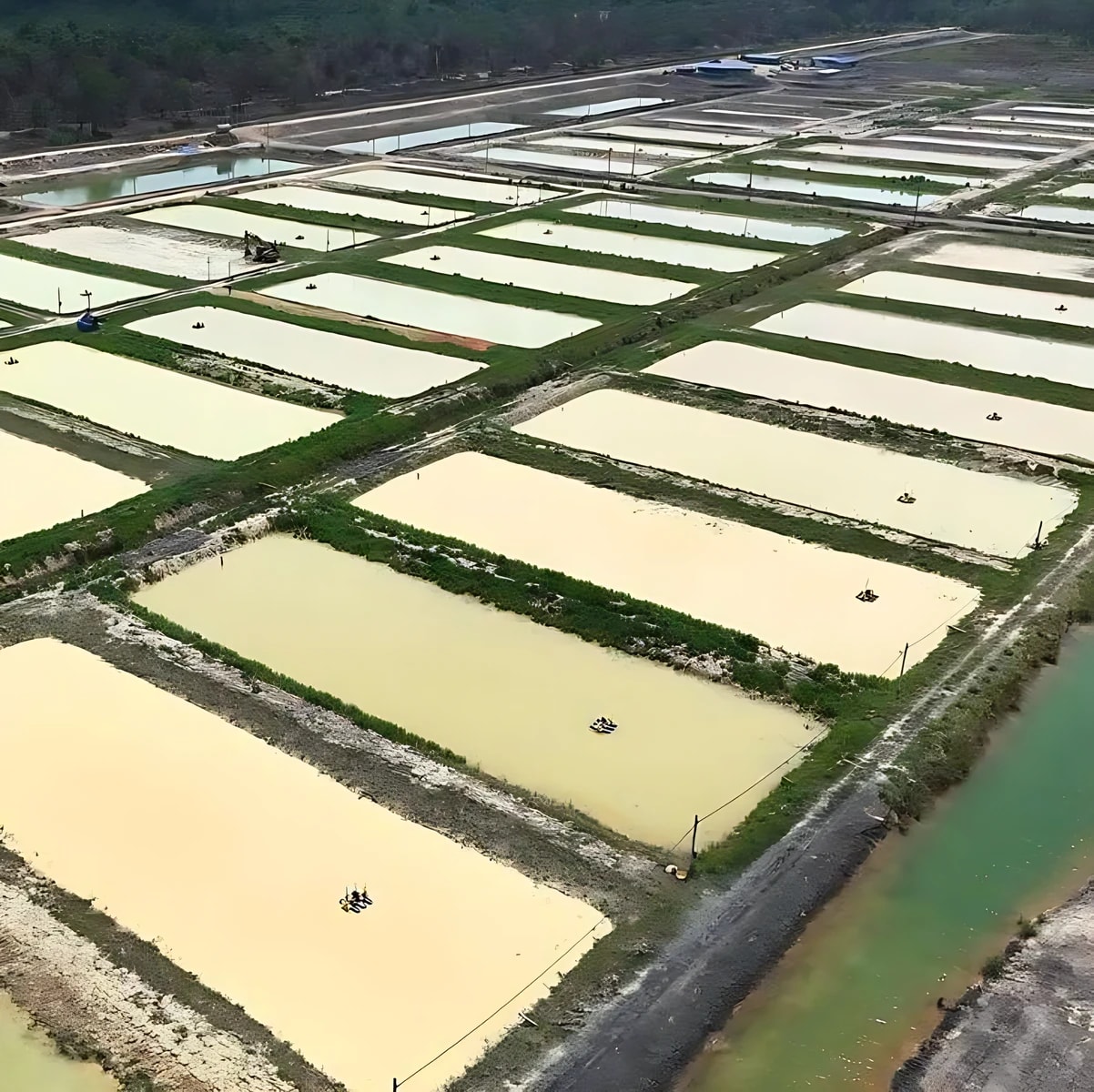
Aerial view of a grid of rectangular aquaculture ponds

Insights

Pakistan Aquaculture Snapshot

record seafood exports in FY2025–26
$568M
growth on FY2024–25
~16%
from shrimp – about 11% of exports
~$62M
of inland freshwater aquaculture output is carp
~98%
fish farms in Sindh alone
~6,000
people employed by Sindh's fish farms
~20,000

Sources: Ministry of Maritime Affairs / Marine Fisheries Department, July 2026 (exports, provisional); The Express Tribune, August 2026 (shrimp); Aquavision company profile, July 2026 (farms and production).

Sector at a Glance

  • Inland aquaculture accounts for roughly 20% of inland fish production; the remainder comes from capture fisheries in rivers and lakes.
  • Carps make up about 98% of inland freshwater aquaculture output; tilapia and pangasius are growing but still small.
  • Smallholders dominate, with limited adoption of advanced systems – a major opportunity for productivity gains.
  • Sindh alone has around 6,000 fish farms (average 5–10 acres), employing about 20,000 people.

Source: Aquavision company profile, July 2026.

Exports

Pakistan's seafood exports reached a historic record of USD 568 million in FY2025–26, crossing the USD 500 million threshold for the first time. This marks approximately 16% growth compared with the USD 489.2 million recorded in FY2024–25. (Source: Ministry of Maritime Affairs / Marine Fisheries Department, July 2026)

Yet shrimp contributed only about USD 62 million – roughly 11% of the total. Most export earnings still come from wild-caught frozen fish, squid, cuttlefish and fish meal. That gap is the opportunity: farmed shrimp, prawn and marine finfish can grow Pakistan's export earnings without putting more pressure on wild stocks.

  • Leading products (FY2025–26): frozen fish (~USD 105m), squid & cuttlefish (~USD 104m), fish meal (~USD 83m), shrimp (~USD 62m), crabs (~USD 37m).
  • Key markets: China, Thailand, Malaysia, UAE, Japan, Vietnam, Saudi Arabia, South Korea, Indonesia and the USA.
  • China is the largest buyer – about USD 255 million in calendar year 2025, up 24% (Pakistan China Joint Chamber of Commerce & Industry).

Source: Product breakdown: The Express Tribune, August 2026.

Note: The Ministry's figure is provisional. Pakistan Bureau of Statistics trade data puts FY2025–26 seafood exports at USD 482.08 million (Profit, 17 July 2026).

Where the Opportunities Are

  • Land-based intensification – RAS and biofloc for higher, more controlled output.
  • Giant freshwater prawn – A high-value species that fits existing fish farms in Sindh and Punjab; all-male seed raises yields.
  • Coastal and offshore cage farming – Asian seabass, grouper and snapper in HDPE cages along the Sindh and Balochistan (Makran) coast.
  • Asian seabass (barramundi) farming and hatcheries – A priority export species with strong regional demand; local seed production is the key gap.
  • Vannamei shrimp hatcheries – Local SPF post-larvae supply is a key constraint on scaling shrimp farming; domestic hatcheries de-risk the whole sector.
  • Coastal shrimp estates and aquaculture parks – Government-backed parks (such as SEZMC in Thatta) offer ready land, water and power for investors.
  • Local aquafeed – Locally made, species-specific feed to cut the largest operating cost.
  • Effluent & compliance infrastructure – Essential for premium export markets.
  • Renewable energy – Solar and wind for pumping and aeration.
  • Cold chain – Post-harvest losses in perishables are estimated at 20–40%; better cold chain raises margins.

Subscribe

Aquaculture insights, straight to your inbox

Market updates, technical tips and training dates – once a month, no spam.

Ready to grow? Let's talk.

Chat with Aquavision on WhatsApp, +92 300 2496644 (opens in a new tab)